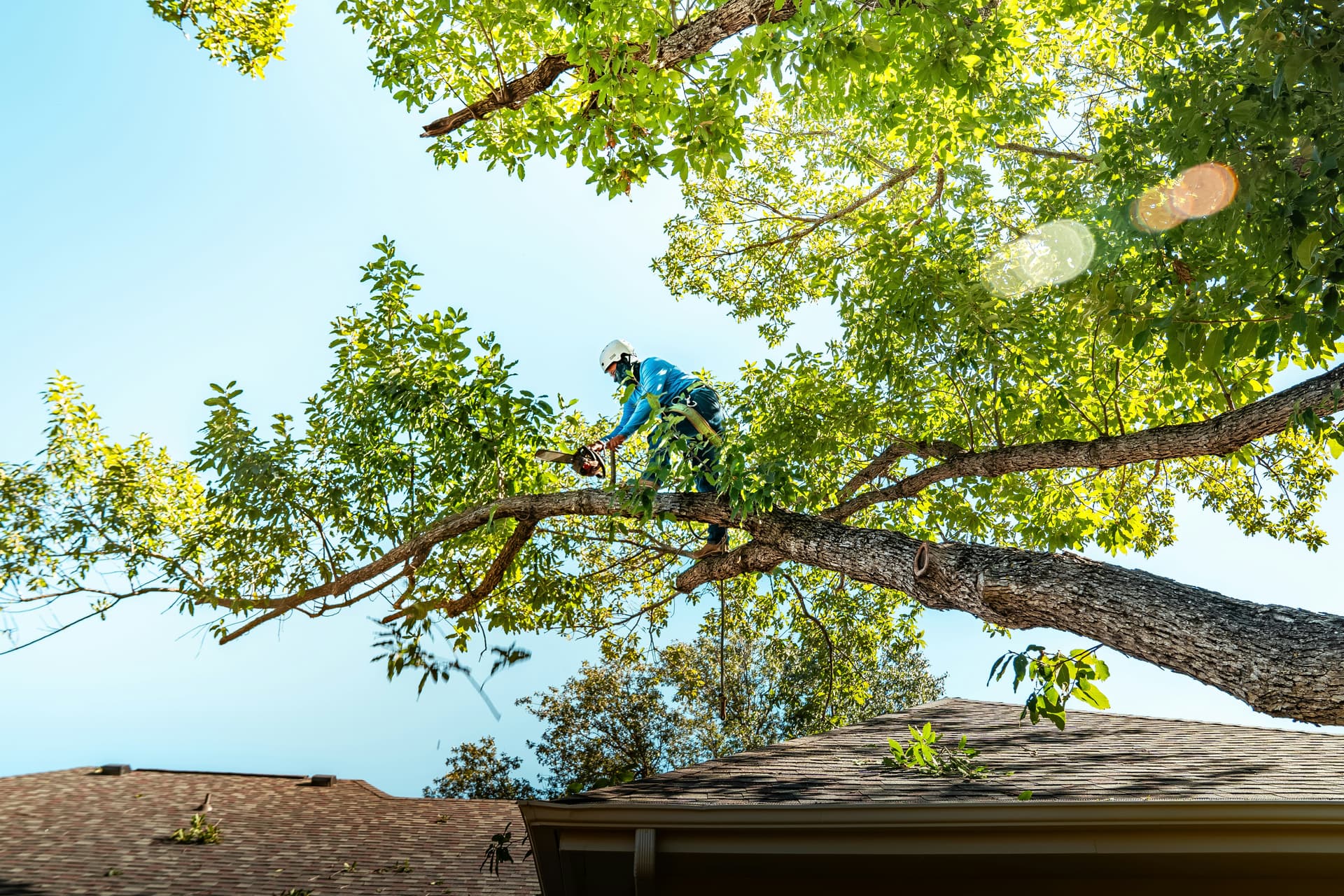
Trees Kept Sound and In Shape
Pruning that respects how a tree grows, timed to the species, and driven by structure rather than simply reducing size.
How Much Pruning a Tree Actually Needs
Trees rarely need as much taken off as people assume, and they usually need it taken off somewhere more specific. The request is often to reduce the size of a canopy that feels too big. What the tree usually needs is removal of the dead limb over the driveway, separation of two branches that have been rubbing each other open for years, and a few cuts to relieve a weak fork. Those are different jobs, and the second one leaves a healthier tree. Heavy indiscriminate reduction, by contrast, provokes a flush of fast weak growth that is more likely to fail later, and leaves large wounds a tree may never close. Timing matters too, because species differ in when they handle cuts well and when pruning invites trouble. Sometimes the right answer is to wait a few months, and we would rather say so than take the work at the wrong point in the year. We look at the whole tree and what is around it before deciding what comes off. If something is genuinely beyond pruning, or the work belongs with a specialist, we will tell you that plainly instead of taking on the job anyway.
Tree Service
Good pruning removes specific limbs for specific reasons. Cutting a canopy back indiscriminately triggers a rush of weak regrowth, leaves wounds that struggle to seal, and often produces a tree that is less sound afterward than it was before the work.
What you get
- 01
Deadwood and damaged limbs removed before they come down on their own
- 02
Crossing and rubbing branches addressed while the wounds are still small
- 03
Cuts placed so the tree can seal them properly
- 04
Clearance gained over roofs, walks, and drives without topping the tree
Frequently Asked Questions
- It varies by species. Some handle cuts best while dormant, others resent pruning at that point entirely. If your timing is wrong for what you have, we will say so and suggest when to revisit rather than proceeding regardless.
- We would rather not. Heavy indiscriminate reduction triggers weak fast regrowth and leaves wounds that struggle to close, so the tree ends up less sound than before. Targeted removal of specific limbs usually achieves what you are after.
- Deadwood over an area people use is the clearest case. Cracks, a weak fork, or a limb that has shifted position are all worth a look. If you are uncertain, point it out when we walk the property and we will give you a straight answer.
- Yes, brush and cut material leave with us and the working area gets cleared. If a job will generate an unusual volume, we would rather flag that when quoting than surprise you with it on the day.
- Then we say so. Some situations call for a specialist, and some trees are past the point where pruning helps. Being told that honestly is more useful than paying for work that does not address the real problem.
Worried about a limb or an overgrown canopy?
We will look at the whole tree and tell you what genuinely needs to come off, which is often less than expected.